
Memory Recovery After Stress
Diving into how brain inflammation can be gently and specifically countered
If you have lived through a long period of chronic stress, you may have noticed something very unsettling: your memory doesn’t work the way you need it to, and this may knock your day-to-day confidence.
A name disappears. You were about to say something but it is now lost. You walk into a room and forget why. You read a page and realise that very little has registered. It feels rubbish and it worries you.
The neuroscience behind what has happened to your brain, in particular your memory and how you can support its recovery, is really important.
The hippocampus, your brain’s index of your memories, is particularly sensitive to prolonged exposure to stress hormones. Research indexed by the National Institutes of Health (NIH) describes how chronic stress can alter the brain’s stress-response systems and influence microglia, the immune cells of the central nervous system. Under prolonged stress, these microglia cells can shift towards a more pro-inflammatory state, contributing to neuroinflammation and changes in hippocampal function. [1,2]
That matters because inflammation affects the environment in which neurons communicate, adapt and form memories. Chronic stress has also been associated with structural and functional changes in the hippocampus.
There is good news however! Your brain is plastic. You can actively help your brain find its way back towards balance. There are two particularly useful foundations for this: aerobic movement and deep, restorative sleep.
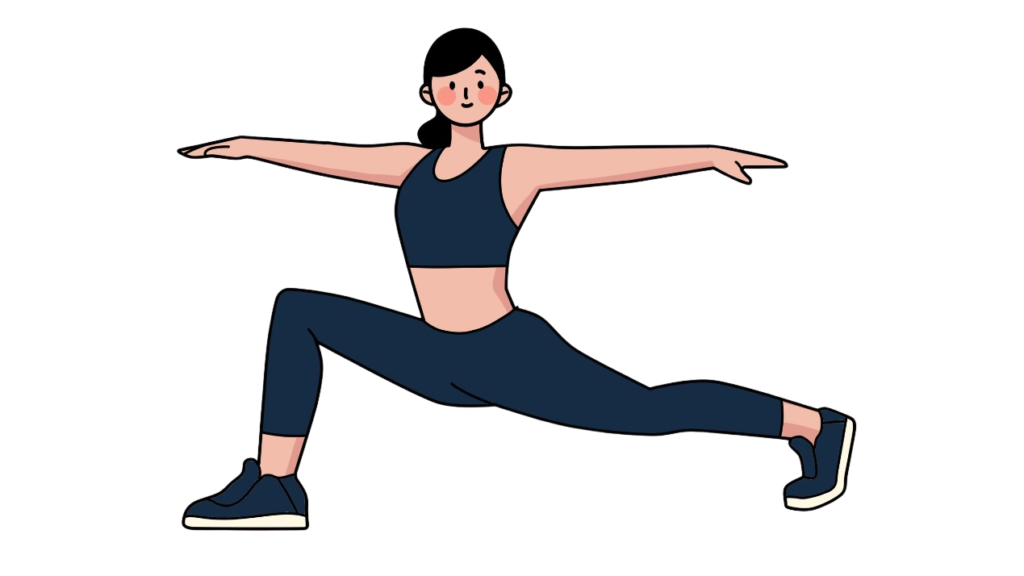
First, aerobic exercise. Regular aerobic activity increases blood flow and stimulates biological processes associated with brain plasticity and neuronal health. The research shows that aerobic exercise can help preserve hippocampal volume and improve episodic memory. [3,4] Exercise is not a magic switch, but it gives the brain an active, repeated signal that supports adaptation.
Second, sleep—particularly the deeper stages of non-REM sleep. Memory is not simply stored while we are awake; much of the work of consolidating newly learned information happens during sleep. Research shows that slow-wave sleep supports hippocampus-dependent memory consolidation through coordinated communication between the hippocampus and neocortex. [5,6] In other words, deep sleep gives the brain protected time to process, stabilise and integrate what we have experienced during the day.
This is why brain recovery after chronic stress can be accelerated if we pay attention to movement and sleep. You know these things already, but you may not have realised how critical they are for your mental health, not just your physical health.
So. Why not move regularly? How can you plan to protect your sleep, especially your deep sleep?
And whilst your brain is recovering, give yourself a break. Literally – give yourself some space where you are not required to perform, solve or respond. And be patient with the memory fluctuations. Recovery may look like a good day followed by a foggy one, then several better days. The encouraging message is that the brain can recover and will do well given the right environment.
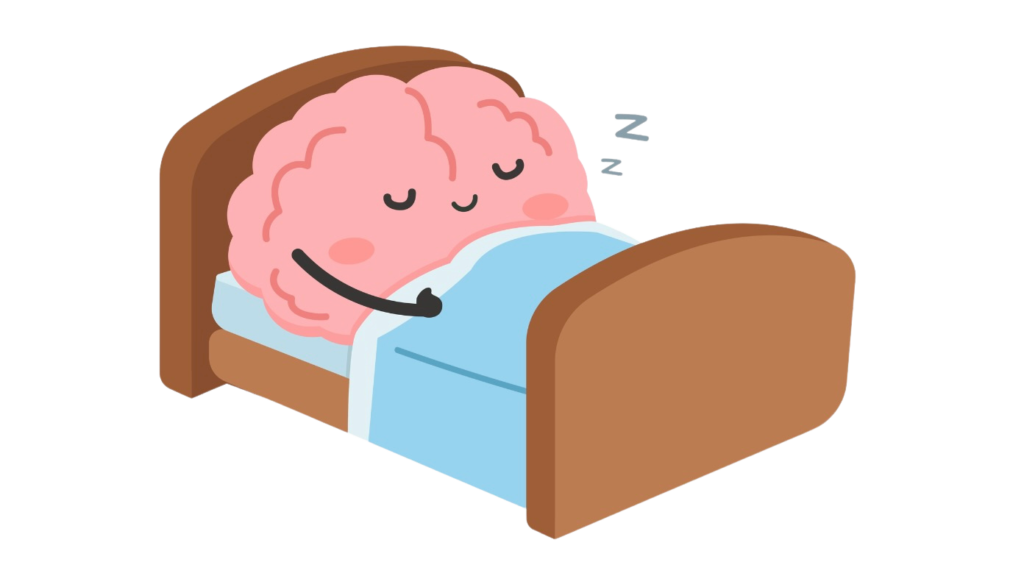
The bottom line is that often resilience is not about pushing harder, it’s about attending to your basic needs in a gentle way.
If you want to learn more about resilience, you might want to purchase The Resilience Dynamic or do get in touch if you’d like to work with a coach with resilience specialism.
References
1. Youssef, A., et al. (2025). “Chronic Stress-Associated Depressive Disorders: The Impact of HPA Axis Dysregulation and Neuroinflammation on the Hippocampus—A Mini Review.” International Journal of Molecular Sciences, 26(7), 2940. doi:10.3390/ijms26072940.
2. McKim, D. B., Niraula, A., Tarr, A. J., et al. (2018). “Neuroinflammatory Dynamics Underlie the Relationship Between Chronic Stress and Memory.” Journal of Neuroscience, 38(31), 6916–6928. [NIH/PubMed indexed literature on stress-related neuroinflammatory processes.]
3. Firth, J., Stubbs, B., Vancampfort, D., Schuch, F. B., Lagopoulos, J., Rosenbaum, S., & Ward, P. B. (2018). “Effect of aerobic exercise on hippocampal volume in humans: A systematic review and meta-analysis.” NeuroImage, 166, 230–238. doi:10.1016/j.neuroimage.2017.11.007.
4. Northey, J. M., Cherbuin, N., Pumpa, K. L., Smee, D. J., & Rattray, B. (2018). “Exercise interventions for cognitive function in adults older than 50: a systematic review with meta-analysis.” British Journal of Sports Medicine, 52(3), 154–160. doi:10.1136/bjsports-2016-096587.
5. Marshall, L., & Born, J. (2007). “The contribution of sleep to hippocampus-dependent memory consolidation.” Trends in Cognitive Sciences, 11(10), 442–450. doi:10.1016/j.tics.2007.09.001.
6. Lutz, N. D., Harkotte, M., & Born, J. (2026). “Sleep’s contribution to memory formation.” Physiological Reviews, 106(1), 363–483. doi:10.1152/physrev.00054.2024.
Evidence note: The article uses NIH/PubMed-indexed research. Exercise and deep sleep are presented as evidence-supported foundations for brain and memory health, not as guaranteed treatments for hippocampal injury or a substitute for clinical assessment.
If you would like to explore more about The Resilience Dynamic, do have a look at the following resources:

Author: Jenny Campbell Founder and CEO of the Resilience Dynamic
Follow Jenny on LinkedIn for more of her thoughts, resilience research, and ideas.
Gain exclusive access to Resilience Dynamic in-depth insights
Extend your knowledge, expand your thinking into Healthy, High Performance.
Register today and get your free login to:
- Gain exclusive access to in-depth resilience insights.
- Download and share the insights with your friends and colleagues.
- Receive resilience in-depth insights and tools straight to your inbox, every month.
If you are already receiving our resilience tools via email but it's the first time seeing this exclusive access, do register. You'll get the new exclusive insights, plus be able to download all articles. Simply complete this registration form once to get your login details.
Read our privacy policyRegister
Related Articles

Are You Destroying Your Agility?
The prevailing wind is no time to think.
The result? No change. Except to shift things off your list of to-do’s.
But there are two other, perhaps more serious issues building.

Mind The Gap!
Leaders are often caught in ‘gap management’. They fill the gap between what makes for a good job and what they think their team can deliver. This might mean filling in for less skilled team members, or getting involved in areas where they continue to be expert. It often means they haven’t let go.
Leaders need instead to consider what good and great looks like, how to enable a closing of the ‘gap’ via team enablement, and how to transform the value of the whole effort to achieve greater success.